Click HERE To Buy Finasteride Online ↓
 Genetic Testing and Finasteride: Personalizing Hair Treatment
Why Your Dna Could Guide Hair Loss Treatment
When I first watched a relative’s hair thin despite every product promise, I learned that hair loss is often written in our cells. DNA shapes hormone sensitivity, hair cycle timing and follicle resilience; knowing genetic drivers helps move treatment from guesswork to strategy. Simple variants can explain why one person responds dramatically to a pill while another sees no change.
Genetic insight lets clinicians prioritize therapies, predict likelihood of benefit, and flag susceptibility to side effects before starting finasteride. Pairing a genetic profile with clinical history yields a personalized plan — dose choices, monitoring timelines, and alternatives — so patients make informed decisions based on biology rather than hope. That clarity often improves adherence and outcomes.
| Test | Use |
|---|---|
| Genetic panel | Predict response |
Which Genetic Variants Predict Finasteride Response
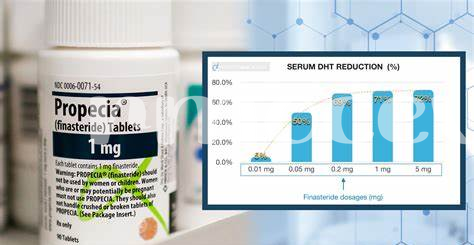
Facing a thinning hairline, many hope finasteride will be the turning point. Research points to variants that influence target enzyme and receptor biology: SRD5A2 polymorphisms (notably V89L, rs523349) can change 5α‑reductase activity, and androgen receptor (AR) CAG repeat length alters tissue sensitivity—shorter repeats often mean higher responsiveness to DHT suppression. These markers don’t guarantee results, but they help explain why two patients on identical regimens can diverge.
Pharmacogenetic contributors such as CYP3A4 and CYP3A5 variants may alter finasteride metabolism and blood levels, while broader polygenic risk scores combining hair‑loss loci and hormonal pathway genes could refine predictions. Current evidence remains preliminary, so genetic results should be integrated with age, baseline hair loss stage, and comorbidities. Work with a clinician or genetic counselor to interpret findings, set realistic expectations, and design follow‑up plans that balance likely benefit against possible side effects.
Understanding Risk Markers Beyond Common Hair Genes
When Maya traced her thinning through family photos, she expected a single gene. Instead, multiple contributors appeared: hormone‑converting enzymes, immune mediators that inflame follicles, and vascular factors affecting scalp circulation — all shaping how hair is lost and might respond.
Studies find variants beyond classical hair genes — in drug‑metabolism (CYP enzymes), androgen processing (SRD5A2), inflammatory cytokines, and microRNA regulators — can modify treatment effect. Some predict strong benefit from finasteride; others signal limited response or higher side‑effect probability overall.
Integrating these markers helps clinicians tailor drug choice, dosing, or combine finasteride with topical, vascular, or anti‑inflammatory strategies. Thoughtful genetic interpretation changes uncertainty into concrete treatment steps and monitoring plans for safer, more effective outcomes.
Personalized Dosing Tailoring Finasteride to Your Genome

Imagine a prescription shaped by your DNA: variants in SRD5A2 and androgen receptor genes can hint whether standard finasteride doses will be potent or need adjustment. Genetic insights help predict enzyme activity and drug sensitivity, turning population guidelines into a starting point tailored to your molecular profile.
Clinicians combine genetic data with age, hair loss stage, and tolerance to select conservative lower doses or titration schedules, then monitor response and PSA or mood changes. Pharmacogenetic interpretation supports informed consent and periodic reassessment, ensuring the dose evolves with evidence and outcomes.
Weighing Benefits and Side Effects with Genetic Clues
I once met a patient who weighed a slim chance of regrowth against anxiety about side effects; genetic insight changed the conversation. A simple test illuminated variants that suggest better finasteride response and flagged markers associated with sexual or mood risks.
Clinicians can integrate pharmacogenetic markers with family history and baseline hormones to estimate benefit-to-risk ratios, turning guesswork into probabilities. Not all variants are definitive; many shift odds modestly. Shared decision making should present likely hair density gains alongside absolute and relative risks for adverse events.
For many people this means a trial period with close monitoring, dose adjustments guided by genetics and symptoms, and clear stopping rules. Genetic results don't mandate treatment but personalize counseling, helping patients choose whether finasteride's potential gains outweigh individual risk signals. A documented follow-up plan quantifies outcomes and reassures the patient over time consistently.
Accessing Tests Interpretation and Next Step Treatment Plans
Ordering a genetic panel felt like opening a personalized roadmap; the results arrive as data, but their value depends on expert interpretation. A genetic counselor or dermatologist trained in pharmacogenomics can translate variant reports into actionable advice, explaining confidence levels, limitations, and how genetics interacts with age and hormonal status.
After interpretation, the next steps often combine lifestyle changes, topical agents, and consideration of oral therapies informed by predicted drug response. Shared decision-making matters: discuss goals, timelines for seeing effect, and monitoring plans including PSA testing if systemic therapy is proposed.
If finasteride is considered, dose adjustments or alternative treatments may be recommended based on risk markers and side‑effect susceptibility; periodic re-evaluation ensures therapy matches evolving evidence. Resources and reputable studies can help patients weigh benefits and risks before committing to long-term therapy and follow-up with clear documentation and timelines. https://www.fda.gov/drugs/postmarket-drug-safety-information-patients-and-providers/finasteride-information https://pubmed.ncbi.nlm.nih.gov/16136807/