Click HERE To Buy Furosemide Online ↓
 Furosemide Interactions: Drugs and Foods to Avoid
Common Prescription Drugs That Dangerously Interact with Loop Diuretics
Patients often imagine a single pill solving blood pressure or fluid overload, but combining loop diuretics with certain prescribed medications can transform routine therapy into a risky balancing act. Antihypertensives such as ACE inhibitors or ARBs may amplify hypotension, while anticoagulants and antiplatelet agents can be affected indirectly when volume status and renal clearance change. Always review medication lists before adjusting doses.
Particular care is crucial with narrow-therapeutic-index drugs: reduced potassium or magnesium from diuretics potentiates digoxin toxicity, while impaired renal excretion raises lithium levels. Ototoxic antibiotics like aminoglycosides plus high-dose loop diuretics increase hearing and balance risks. Nephrotoxic agents and contrast dyes further stress kidneys, altering drug clearance. Coordinate dosing schedules, monitor labs and symptoms, and communicate changes promptly between prescribers to avoid preventable harm. Teach recognition of dehydration, dizziness, palpitations, muscle weakness, and instruct immediate reporting to clinicians.
| Drug | Primary Risk |
|---|---|
| Digoxin | Increased toxicity with hypokalemia |
| Lithium | Elevated levels from reduced renal clearance |
| Aminoglycosides | Increased ototoxicity with high-dose loops |
Over-the-counter Medicines and Supplements to Avoid Concurrently

Imagine reaching for a familiar pain reliever or decongestant while taking furosemide; common OTC choices can blunt treatment or harm kidneys. Nonsteroidal anti-inflammatory drugs (ibuprofen, naproxen) may reduce diuretic effectiveness and increase renal injury risk, while oral decongestants (pseudoephedrine) can raise blood pressure and dehydration risk.
Antacids and some mineral supplements can impair absorption or alter electrolyte balance; salt substitutes and potassium supplements may unpredictably raise potassium, especially if other agents are involved. Herbal products such as licorice worsen potassium loss, amplifying muscle cramps and arrhythmia risk when combined with loop diuretics.
Practical steps: read labels, tell your clinician about all OTCs and supplements, get periodic electrolytes, and avoid self‑treating persistent symptoms. Vigilance prevents complications.
Foods and Beverages That Potentiate Diuretic Dehydration Risks
At brunch, a patient learns that pairing furosemide with strong coffee or herbal teas can accelerate fluid loss; a conversational caution turns clinical when dizziness and dry mouth appear unexpectedly.
Alcohol and sugary soft drinks exacerbate dehydration risk by promoting diuresis and reducing oral intake; sports drinks high in sodium may help but can mask underlying electrolyte depletion without monitoring.
Salty snacks paradoxically worsen thirst yet complicate sodium balance; clinicians should counsel patients to prioritize plain water, moderate caffeine, avoid binge alcohol, and report lightheadedness promptly for timely electrolyte checks.
Electrolyte Imbalances: Potassium, Sodium and Monitoring Essentials
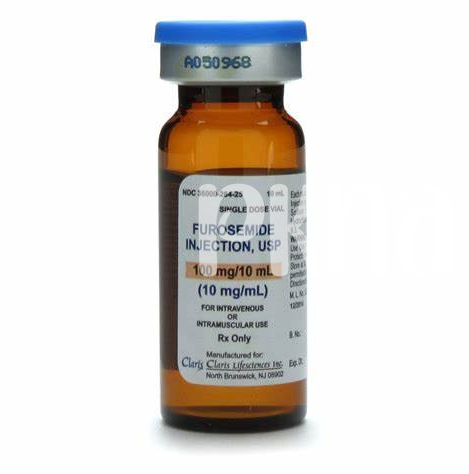
When patients begin furosemide, fluid shifts can feel dramatic; clinicians watch for fatigue, muscle cramps and lightheadedness.
Hypokalemia is common: low potassium causes weakness, arrhythmia risk and altered reflexes; supplementation or dietary potassium often helps.
Hyponatremia may be subtler but can produce confusion, seizures and falls; sodium trends guide fluid management and dose adjustments.
Regular labs, ECGs when indicated, and clear counseling on signs to report empower patients; schedule tests early after changes and periodically thereafter. Record weight daily and avoid excessive diuretics or NSAIDs without consultation for safety reasons.
Dangerous Drug Classes: Nsaids, Aminoglycosides, Digoxin, Lithium
When treating edema or heart failure, clinicians must watch for common interactions. NSAIDs blunt furosemide’s effect by reducing renal prostaglandins, risking fluid retention and attenuated diuresis. Patients often assume pain relief is harmless, but timing matters.
Aminoglycoside antibiotics amplify nephrotoxicity when combined with loop diuretics, so serum creatinine and auditory function deserve close surveillance. Digoxin levels rise with hypokalemia prompted by aggressive diuresis, increasing arrhythmia risk; potassium monitoring is essential.
Lithium clearance falls with diuretic-induced volume depletion; toxic concentrations can occur rapidly, mandating dose review and frequent plasma checks. Clear counseling, adjusted dosing schedules, and coordination between prescribers prevent many avoidable harms. Emergency plans and lab thresholds should be clearly documented for high-risk patients immediately.
| Drug class | Risk / Action |
|---|---|
| NSAIDs | Reduce diuretic effect — avoid or separate dosing |
| Aminoglycosides | Increase nephrotoxicity — monitor renal function |
| Digoxin | Risk of toxicity with hypokalemia — check K+ and levels |
| Lithium | Reduced clearance — frequent plasma monitoring |
Practical Safety Tips: Dosing, Timing, and Patient Counseling
When starting furosemide, begin with the lowest effective dose and titrate slowly while watching blood pressure and weight. Take doses in the morning to avoid nocturia; if twice daily, give the second dose before late afternoon. Emphasize adherence: missed doses shouldn't be doubled. Adjust dosing for renal impairment and in the elderly due to increased sensitivity.
Counsel patients about signs of dehydration and electrolyte loss—dizziness, muscle cramps, palpitations—and instruct them to report these promptly. Recommend regular lab monitoring of electrolytes, renal function, and orthostatic vitals, especially during dose changes or when adding interacting drugs. Carry a list of medications to all clinic visits.
Review concomitant medications and OTC supplements, advise limiting NSAIDs and salt substitutes, and teach safe dose adjustments during intercurrent illness. Provide written instructions, a dosing schedule, and emergency contact information to improve safety and outcomes. MedlinePlus PubChem