Click HERE To Buy Prelone Online ↓
 Prelone for Children: Benefits and Safety Concerns
How Corticosteroid Syrup Works in Young Bodies
When a child swallows a prescribed syrup, the medicine travels quickly through the digestive tract and is absorbed into the bloodstream. Within hours it attaches to hormone receptors inside immune cells, quieting overactive signals that drive swelling and discomfort. Parents often notice calmer breathing, less redness, and reduced fever as inflammation pathways are dampened.
Because developing bodies process drugs differently, dose by weight and short courses are common to reach benefit while limiting exposure. The syrup’s systemic reach helps control widespread inflammation faster than topical options, but clinicians balance speed with potential effects on growth, blood sugar, and behavior. Close follow-up ensures the treatment remains both effective and safe. Regular communication with providers is essential.
| Feature | Practical point |
|---|---|
| Absorption | Oral route; rapid systemic effect |
| Onset | Usually within hours |
| Monitoring | Watch growth, glucose, and mood |
Clinical Benefits: Rapid Relief and Inflammation Control
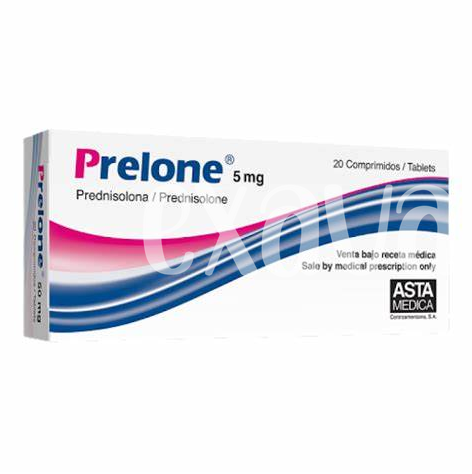
Parents often notice a striking turnaround within hours when children receive prelone for acute respiratory or allergic flare-ups; coughs ease, wheezing lessens and sleep returns as swelling in airways subsides. Clinicians value this quick symptomatic relief because it reduces distress, shortens recovery time and can prevent emergency visits. In many cases a brief course calms intense inflammation enough to restore appetite and activity, helping families regain normal routines sooner.
Studies and practice show that targeted dosing minimizes systemic exposure while delivering effective local control of inflammation, and this balance underpins safe short-term use. When prescribed appropriately, prelone can reduce the need for higher-risk interventions such as hospital admission or injectable steroids. Still, benefits are maximized when paired with follow-up: reassessment within days, adherence to dosing schedules and attention to any signs of adverse effects ensure the treatment remains effective and safe.
Proper Dosing: Weight-based Calculations and Timing
Parents often find dosing intimidating, but clinicians use simple weight-based calculations to tailor doses of oral corticosteroids like prelone to a child’s size. Rather than fixed volumes, prescribers calculate milligrams per kilogram and translate that into syrup volume using the product's concentration; this keeps treatment both effective and safer than guessing. Timing matters too: single daily doses typically taken in the morning reduce adrenal suppression and fit family routines, while divided doses are uncommon for short courses.
Careful measurement with an oral syringe, clear instructions about duration, awareness of missed-dose handling, and writing doses down daily help prevent errors. Always confirm calculations with a clinician or pharmacist, especially for infants and children with other conditions; the lowest effective dose for the shortest necessary period is the general rule. If symptoms persist or side effects appear, seek prompt medical review immediately.
Short-term Safety Profile Versus Long-term Risk Concerns
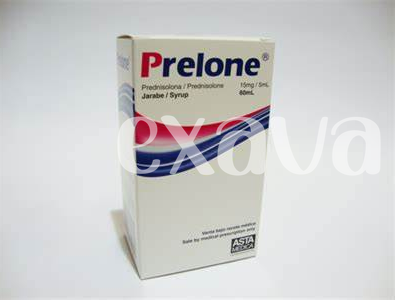
A parent watches a fever ease after a single dose, grateful for rapid improvement yet wondering about future effects.
Short-term use of prelone syrup can suppress inflammation and breathing distress quickly, with most children experiencing few immediate problems.
But repeated or prolonged courses carry risks: growth suppression, adrenal insufficiency, and metabolic changes are possible if steroids are overused.
Families should follow weight-based dosing, give the shortest effective course, and report mood, sleep or appetite shifts. Regular follow-up allows tapering when needed and early detection of complications. Clear communication with the clinician ensures the immediate gains are preserved while minimizing long-term harm, keeping the child's wellbeing central. Ask about adrenal testing after prolonged therapy and recovery
Common Side Effects Parents Should Watch for
Watching a child after starting prelone can feel unsettling, but many reactions are mild. Expect temporary jitteriness, increased appetite, trouble sleeping, or mood swings; these often appear within days and ease when the course ends. Keep a simple symptom diary to track patterns.
Contact your pediatrician if your child has persistent fever, severe behavior changes, breathing difficulty, unusual swelling, or significant weight gain. For short courses, tapering is uncommon but follow instructions for longer treatments. Clear communication with your clinician helps balance rapid relief against potential risks and seek guidance.
| Symptom | When to Call |
|---|---|
| High fever | Immediately |
| Breathing trouble | Emergency |
Practical Advice: Monitoring, Tapering, and When to Seek Help
When a child is started on syrup corticosteroids, parents should monitor appetite, sleep, mood, fever, and signs of infection; measure weight and, if instructed, blood pressure or blood glucose. Use an accurate oral syringe, follow the exact dosing schedule, and keep a dosing log. Short courses (under 7 days) usually do not require tapering.
If treatment exceeds a week or doses are high, taper exactly as the clinician prescribes to prevent withdrawal. Seek urgent care for severe vomiting, difficulty breathing, high fever, sudden behavioral change, signs of adrenal insufficiency (weakness, dizziness), or any suspected serious infection. Discuss live vaccines and medication interactions with the prescriber. See DailyMed Prelone label and NHS prednisolone guidance for details.